First responders in police, fire, EMS and dispatch see life and death more often than most people see it in a lifetime. Then comes the next call, and you shove it down to get through the moment. Over time, those calls build up. Our therapists help first responders clear what gets stuck, often faster than they expect.
Clinically reviewed by William Schroeder, LPC, NCC, co-founder of Just Mind. Last reviewed October 24, 2026.
Serving Austin Since 2007
A locally owned Austin group practice staffed by experienced clinicians with 10 to 30 years in the field, available online and in person.
A bad call shows up again at night and keeps you from sleeping.
Fear of a Panic Attack
You start bracing for a panic attack, sometimes on the job.
Close to Retiring
You’re almost to the other side, still doing dangerous work, and the anxiety climbs.
Families Feel It Too
Spouses and kids sometimes need support of their own.
Is Therapy Confidential for First Responders?
Pay out of pocket, and nothing follows you.
Yes. Like any therapy, it’s confidential, and paying out of pocket means no insurance claim follows you. Most first responders worry about a record or a fitness-for-duty exam. If you see a therapist in private practice, you don’t have to use insurance. Pay out of pocket and there’s no insurance claim that follows you. Our self-pay rates are on our rates and insurance page. We go over the few legal limits on confidentiality, such as immediate danger, in your first session.
Why Does EMDR Often Work Fast for First Responders?
First responders are often uniquely good at clearing things quickly with EMDR, and a session or two can go a long way. We know most first responders don’t want to stay in therapy long, so we follow the standard EMDR protocol, build a plan together and get into the work. A 2026 systematic review found EMDR and CBT had the most consistent results for PTSD in first responders.
“Your story isn’t the worst I’ve heard, and I’ve seen people get better.”
William Schroeder, LPC, NCC, co-founder of Just Mind
How Does Just Mind Support First Responders?
EMDR Training That Runs Deep
Our EMDR therapists train with Rick Levinson, LCSW, who also trains clinicians through the Austin Police Department’s RESET Project.
A Consultant on Site
Teri Schroeder, LCSW, is an EMDR Consultant who supervises therapists toward certification, so your therapist has backup on hard cases.
Built Around Shift Work
Evening and weekend appointments, in person in North and South Austin, and online anywhere in Texas.
Families Too
Support for spouses, couples and kids. Over the years, we’ve worked with people at every level of government.
Get Matched With a Therapist Who Fits
Tell our client care team what’s going on and what you want out of therapy. A real person reads it, suggests a few therapists and explains why each one fits. Most new clients have a first appointment within a few days.
Don’t wait until it spikes to a scary or dark place. The sleep, the irritability, the drinking and the call you can’t shake are all worth addressing. Read more in his post, When the Calls Build Up.
Cost and Insurance
Many first responders choose to pay out of pocket so there’s no insurance claim. Self-pay sessions run $145 to $215 depending on the therapist, and we can give you a superbill if you later want to use out-of-network benefits. We’re also in network with Aetna, EHN, Harbor Health, Nomi Health and Sana. See rates and insurance for details.
Meet Our Therapists for First Responders
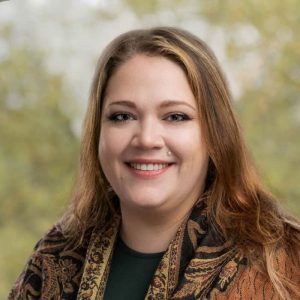
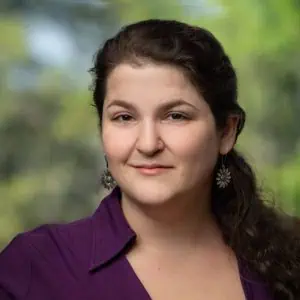
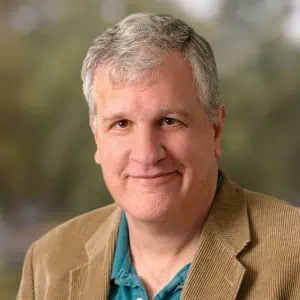
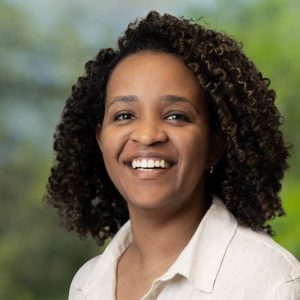
Every therapist below works with trauma. Browse their profiles, or let our client care team suggest a few who fit.
It varies. For a single call that keeps replaying, first responders often see real change in a session or two. Your therapist builds the plan with you at the start.
Your therapist learns what’s weighing on you, goes over the few legal limits on confidentiality, and builds a treatment plan with you. We know most first responders don’t want to be in therapy for long, so we get into the work quickly.
Yes. Our EMDR therapists train with Rick Levinson, LCSW, and Teri Schroeder, LCSW, our co-founder, is an EMDR Consultant who supports them on hard cases.
It won’t be. Most people who come in worry that what they’ve seen is the worst a therapist has heard, and it rarely is. We’ve seen a lot of people get better, and reaching out is usually the hardest step.