
Children Therapy · Austin, TX · Ages 3-12 & Parents
Maybe bedtime has turned into a nightly battle. Maybe your once-easygoing kid has started melting down over things that never used to bother them. Maybe the teacher’s called twice this month, or your child has started saying things like “nobody likes me” and you don’t know if that’s a phase or something more.
You don’t need a diagnosis to reach out, and you don’t need to have it all figured out first. We’ll match you and your child with a counselors to help you understand what’s going on and figure out what to do next, even if “what to do next” is just talking it through.
“It’s been great. My daughter was matched with the perfect therapist for her. Kim understands her issues and has made her feel comfortable.” – A.A., parent of a Just Mind Counseling Child Client
Takes 2 to 3 minutes · Parent consultations available before starting therapy · Most families hear back within 24 hours.
What Is Play Therapy?
Play therapy is a developmentally appropriate way of working with children by using children’s natural form of communication (i.e. play) to solve problems.
Play is their language and toys are their words. Play therapy is developmentally appropriate and allows children to gain insight into their behavior while learning and practicing new, more effective ways of interacting with others and managing their emotions. Play therapy is a safe space for children to explore their world and address difficult issues in their lives. By using this approach, children can develop the skills they need to overcome challenges and grow emotionally, mentally and behaviorally.
Get Your Child Matched With the Right Therapist
Every kid connects differently. We’ll match your child with a therapist they’ll actually want to talk to.
We help kids & we assist parents
We Help Kids
We have expertly-trained child counselors and child psychologists to help you and your child.
In utilizing child counseling and play therapy, our approach is based on building a relationship with the child based on teamwork, acceptance, trust, nurturing interactions, and attachment. Your therapist will assess your child’s relationships, personality characteristics, goals of behavior and misbehavior, and perceptions of self, others, and how the world works through the lens of their experiences. This can include things like helping kids work through divorce.
We Assist Parents
We assess attachment relationships and use Child Parent Relationship Training to enhance relational patterns and attachment skills between caregivers and children.
We very often incorporate (with both kids and adults) psychoeducation about attachment, emotional regulation, and how the brain works and affects emotions and behaviors. We also offer family therapy, so if you’re looking for “family counseling near me,” call us today to learn more!
Should it be needed, we offer psychological testing and evaluation for Autism, ADHD, giftedness, and learning disabilities.
Two ways to find your child's therapist
The hard part isn’t whether counseling helps. It’s finding the right person and approach. With many different child psychologists to choose from, the question every parent has is “how am I supposed to know who’s actually right for my kid?” You don’t have to figure that out alone. A real person on our team reads what you share and helps you land on the right fit.
Browse yourself
Scan photos and specialties in Meet the Team below, and let us know who feels right.
Let us match you
Tell us a little about your child and a real person on our team reads it, then recommends a few counselors and explains why each could be a good fit.
How child therapists coach parents
We work with parents to help them understand what’s going on with their child and how to address things at home and in school. Every child therapist handles this a little bit differently but some may have a dedicated session with the parent alone. Some invite the parent in to help in guided activities that they can try at home with their kids. Since every kid and family is different, we adapt to the needs of your family based on what we are seeing come up in therapy.
Not sure whether your child needs counseling?
Kids may benefit from counseling for behavioral changes, big emotions, trouble at school, sibling or friend conflict, a hard family transition, or something you can’t quite name yet but know isn’t “just a phase.” If you’re not sure, that uncertainty is a good enough reason to reach out — we’ll help you figure out the rest.
What the first few sessions look like
Every child’s experience in therapy is unique, but most follow a structured process that helps build trust, safety, and lasting change. Here’s what families can expect:
- Intake and Understanding the Child: A parent consultation covers your child’s strengths, challenges, family dynamics, goals, and any prior evaluations.
- Building a Relationship Through Play: Early sessions build rapport through creative play, art, or storytelling—meeting your child in the language they already speak.
- Identifying Themes and Emotions: Therapists observe play for patterns that reveal how your child experiences the world, guiding coping and emotional-regulation strategies.
- Collaboration and Check-Ins: Regular feedback keeps you in the loop, with parenting tools and adjustments as needed—plus teacher or provider coordination with your consent.
- Closure and Transition: Therapy wraps up once goals are met, with progress reviewed and tools provided for continued success at home and school.
Good to know
- You don’t need a diagnosis to start.
- Reluctant children are normal, and we’re used to it.
- In person at both Austin offices, or telehealth statewide.
- Parents can meet a therapist first.
Other Treatment Techniques Beyond Play Therapy
While play therapy is the foundation for younger children, our therapists draw from a range of evidence-based modalities as kids mature and their needs evolve:
Cognitive-Behavioral Therapy (CBT) for Children
Helps children identify unhelpful thought patterns and practice more adaptive responses to anxiety, anger, or sadness.
Trauma-Focused CBT (TF-CBT) or EMDR
Integrates trauma processing with parent participation to support children recovering from difficult experiences.
Mindfulness and Relaxation Training
Simple breathing, visualization, and grounding techniques that teach emotional regulation. Therapists also include The Whole Brained Child and No Drama Discipline by Dr. Dan Siegel as a lens of understanding children and helping parents.
Art and Sand Tray Therapy
Offers nonverbal expression for complex emotions and trauma.
Social Skills Training
Builds empathy, cooperation, and communication skills, particularly helpful for kids with ADHD or autism spectrum traits.
Narrative and Storytelling Approaches
Encourages children to reframe their life story in ways that build resilience and confidence.
Solution-Focused Techniques
Helps identify existing strengths and small steps toward progress.
Why our child counseling is different
Counseling only works when a child actually connects with their therapist. Here’s what sets our team apart.
Fit comes first
Our client care team is staffed by clinicians who have years of experience from working in the school system and helping kids who have struggled with a variety of things. Our client care team will work to get you matched with the right therapist based on your child’s specific needs.
The whole picture
With your permission, we coordinate with schools, pediatricians, and family so your child’s support isn’t fragmented.
Parents are part of the process
You get real, practical ways to support your child at home, with regular updates on progress, without breaking the trust that makes counseling work.
In person, close to home
Face-to-face at both our Austin offices, North (Spicewood Springs) and South (Westlake), plus secure telehealth across Texas.
Ready when you are
We see kids in person at both our Austin offices, North (Spicewood Springs) and South (Westlake), and by secure telehealth across Texas.
- Often 3–7 days: We can usually get your child scheduled within a few days, depending on demand.
- For parents first: Want to talk to a therapist about your child before they start? Book a parent coaching session to talk it through.
CHILD COUNSELING FAQs
Below are answers to frequently asked questions about Child Counseling & Play Therapy.
Child Counseling
What skills do parents and families learn?
- Emotion Coaching: Learn how to help your child name, validate, and manage big feelings.
- Consistent Routines: Establish predictable structures around bedtime, meals, and transitions to reduce anxiety.
- Positive Reinforcement: Focus attention on what’s going right, rather than only correcting what’s wrong.
- Modeling Self-Regulation: Kids learn emotional control from watching adults manage stress calmly.
- Collaborative Problem-Solving: Create solutions together with your child rather than relying solely on punishment.
- Co-Parenting Strategies: For separated or blended families, we can help align parenting styles for consistency and cooperation.
What is play therapy?
Play therapy is a developmentally appropriate way of working with children by using children’s natural form of communication – play – to solve problems. Play is their language and toys are their words. We use play to help children gain insight and then to help them learn and practice new, more effective ways of being, engaging with others, and regulating their emotions.
What are the benefits of child counseling?
A few examples of how counseling can help children include; coping with everyday stress, anxiety, depression, changes at home, sibling and friend issues, behavioral difficulties, learning difficulties, failure to launch, etc. As you can see, kids come in for a variety of reasons and our therapists aim to help those kids make sense of what’s going on, how to better cope, and ways that parents can better understand what’s happening and how to help. Problematic behavior is often a sign of something that needs to be adjusted and it can go a long way towards you and your children growing and prospering.
How does child counseling assist parents?
We assess attachment relationships and use Child Parent Relationship Training to enhance relational patterns and attachment skills between caregivers and children. We incorporate (with both kids and adults) psychoeducation about attachment, emotional regulation, and how the brain works and affects emotions and behaviors.
What is child counseling?
Child counseling is counseling for kids who are going through challenging times and need extra support. Our therapists do this through different forms of therapy including art therapy, play therapy, and work with parents and family systems.
Many of the issues these children face mimic the issues adults face in their day-to-day lives. Some of these common issues children face include anxiety, depression, and grief. The goal of child counseling, however, is to break down problems into manageable parts, build coping techniques and resources so children can better understand and cope with them.
When should I take my child to therapy?
Sometimes people come in because there are behavioral issues in the classroom, problems with other children, or at home. Honestly, there can be a lot of reasons: sadness, dark thoughts, anger, anxiety, sexually inappropriate behavior, defiant behavior, drop in grades, inability to concentrate, autism, ADHD, or maybe there are other things going on in the family system and parents want to get support for their child and some guidance as to how to support them. There are many reasons, but the goal is to support them and to give you guidance as well.
What is the difference between child counseling and play therapy?
Play can reveal a child’s feelings about what was experienced, what the child wishes, wants, or needs, and the child’s perception of self. It provides a window into a child’s internal world, as they use play as a way to express emotions and communicate thoughts they may not be able to put into words. Play therapy is most commonly used in kids up to the point of adolescence, or when it no longer seems helpful for kids. Gary Landreth of UNT is a pioneer in the space of play therapy and it gives therapists a well honed tool to work with children. Landreth has said, “Toys are children’s words and play is their language.”
What ages do you work with?
Typically it’s children aged 3–12 or elementary to middle school age children.
How many sessions are typical? How long does therapy last?
This varies by child and need. For instance, a child going through bullying at school might spend a different amount of time in therapy than a child who unexpectedly lost a parent. Generally speaking 8-16 sessions is a decent gauge but it’s something you can also discuss with your child’s therapist.
How long before I see changes or improvement?
This is highly variable. Some changes may emerge early, others take longer.
Is there a child psychologist near me in Austin?
Yes, we see kids in person at both our North (Spicewood Springs) and South (Westlake) Austin offices, and by telehealth anywhere in Texas. Demand for child therapists is high, so wait times vary from days to weeks but we actively monitor our waiting list to try and help parents get in as quickly as possible.
Do you have a behavioral psychologist near me who works with kids?
While we don’t have someone doing ABA (applied behavioral analysis), our child therapists work regularly with behavioral concerns (e.g. defiance, meltdowns, focus and attention issues, social conflict, etc) using play therapy and social skills training depending on your child’s age and needs. Reach out and we’ll match you with someone who specializes in what you’re seeing at home.
What does children's therapy near me look like at Just Mind Counseling?
It starts with a parent consultation so we understand your child’s history and what’s going on, followed by sessions built around play, art, or talk therapy depending on age. You’re kept in the loop with regular check-ins rather than left guessing what’s happening in the room.
Client Testimonials
Meet Our Child Therapists













Child Therapy Resources
Below are some posts on child counseling that may be helpful to you in your quest to learn more for yourself or those you love.





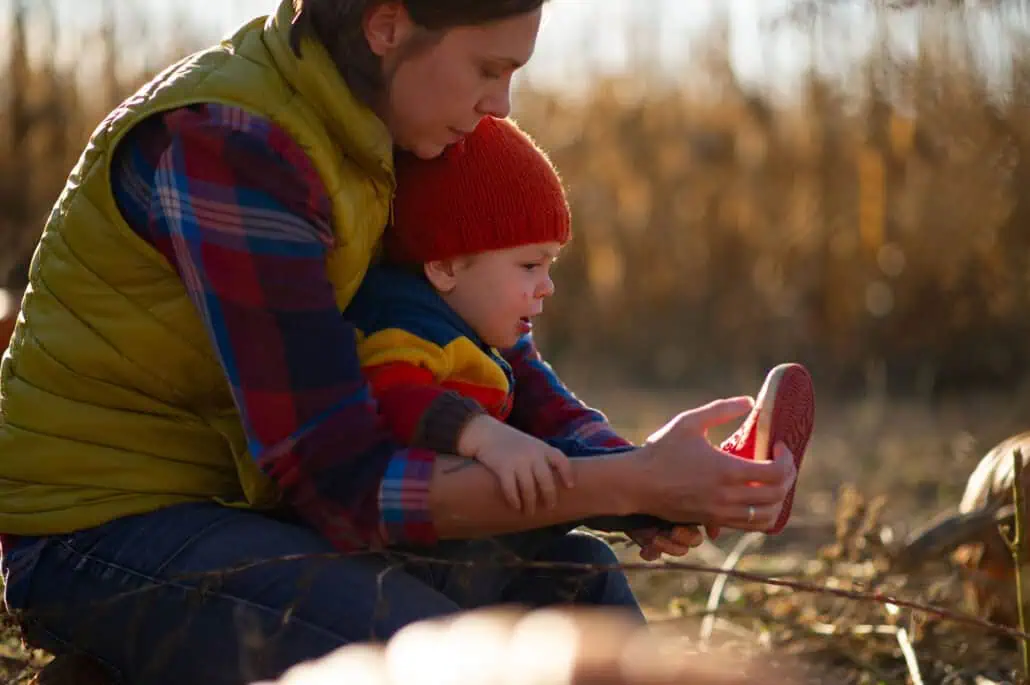
More about play therapy
Not sure about who to pick? We can help!
Explore Our Counseling Services
- Family & Parenting Counseling
- Food Struggles & Body Image Counseling
- Grief Counseling
- Immigration Hardship Evaluations
- Individual Counseling & Coaching
- Internal Family Systems Therapy
- LGBTQ+ Counseling
- LGBTQ+ Couples Counseling
- Marriage & Couples Counseling
- Neurodiversity Affirming Therapy
- Personal Growth Counseling