

By William Schroeder, LPC, NCC. Clinically reviewed by Teri Schroeder, LCSW.
At the risk of stating the obvious, Heated Rivalry tells the story of two closeted gay hockey players who fear their secret romance will ruin their stellar careers. It’s become a cultural phenomenon because it captures the beauty of all kinds of relationships, in all their messy glory. But look closer: the Heated Rivalry mental health story is one of the most quietly powerful on television.
The show is about more than gay men. Wrapped inside one of the sweetest love stories in recent years (even if it’s a bit steamy for some audiences) are universal lessons.
It’s a portrait of people doing whatever they can to seek connection. It’s also about what happens to our mental health when people feel they have to hide core parts of themselves to survive.
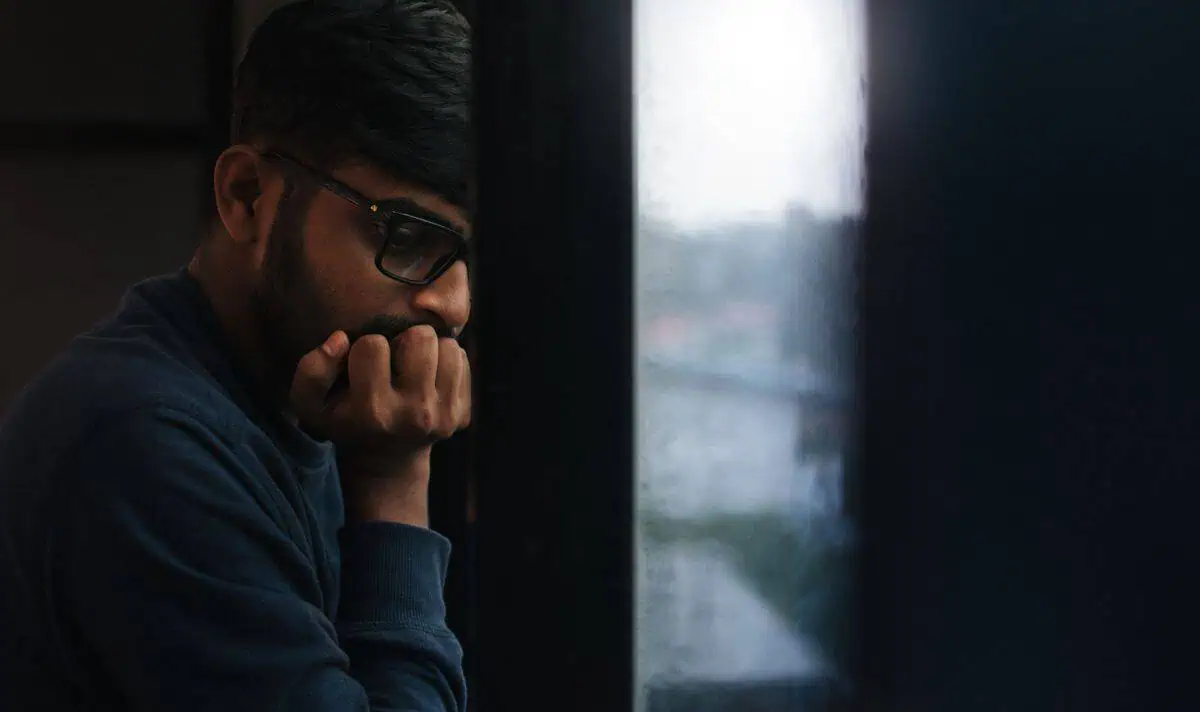
The Heated Rivalry mental health lessons hiding in plain sight
Beneath the romance, the show quietly maps the ways people protect themselves and what that protection costs them. A few of its most resonant themes:
Hiding when you deserve sunshine
You don’t have to be an elite professional athlete like Ilya and Shane (and don’t forget Scott) to suffer from what psychologists call “masking.”
Research shows that keeping parts of yourself in the dark comes at a cost, making it more likely that you’ll struggle with anxiety, depression or burnout. Constant code-switching is exhausting in its own right, and it doesn’t necessarily mean hiding your sexuality.
Many people feel they have to hide:
- emotions in competitive workplaces
- neurodivergence or mental health struggles
- values, beliefs or relationship dynamics
- parts of themselves that don’t fit a professional or cultural mold
Take a note from Kip’s best friend when she admonishes Scott for making him hide. “He deserves sunshine,” Elena says. “And so do you.”
Difficulty showing vulnerability or seeking help
Here’s a major spoiler alert.
Shane’s demanding mother cried when she finally found out. And this was not because she was disappointed, but because she regretted not giving her son the space to feel comfortable being open.
It reflects the stigma around mental health in many communities, particularly in male-dominated industries and cultures that prize toughness above all else. Many men lack a support system that understands their most significant experiences in life.
That dynamic shows up well outside the sports world which includes families where being honest risks rejection, and corporate environments where competition matters more than connection.
Fear of intimacy that creates isolation
Many of the characters in Heated Rivalry are profoundly lonely.
From the first episode, it’s clear that Ilya and Shane project an image of being in it only for the sex. It takes them years to share a truly meaningful moment, and even then they’re locked in a casual “situationship” marked by ghosting and bans on sleepovers.
The fear of public exposure is matched by an internal fear that real attachment could lead to loss or more shame.
When Scott comes into play, his reaction to Kip’s affection is the opposite side of the same coin. He’s been so afraid to get close to someone that he becomes desperate for connection, so much so that he pressures Kip to never leave his apartment after their first encounter.
Enduring cultural pressure
Coming from Russia, Ilya carries the cultural expectation of the strong, stoic man (in real life, the actor who plays him hails from West Texas, which wouldn’t be too different in that sense). He deflects tenderness with arrogance and jokes, and in public he leans on toughness and rivalry to mask inner pain.
Shane embodies a different kind of cultural pressure as he exhaustively curates his “good boy” image to please corporate advertisers. He’s dependable, disciplined and emotionally repressed.
Both are worn down by the psychological labor of managing how they’re perceived.
Corporate culture isn’t much different, often rewarding the traits of toxic masculinity and discouraging high achievers from standing up for what they believe in. To take a related example from the sports world, Colin Kaepernick was thriving until he took a knee, and he paid for it.
As the pendulum swings back
The show is a reminder of the world we’re in. It reminds us how there’s a pendulum of acceptance that swings one way and then back again.
After years of feeling like the pendulum was swinging toward more acceptance, many people would agree that lately it seems to be swinging away.
That can be hard. Whether it’s about your sexuality or not, it’s important to strive for a sense of psychological safety so your true self can be your whole self.
If you need help managing the balance between the story you tell to outsiders and the life you hide within, don’t hesitate to reach out to us for help.
(And in case you want a Heated Rivalry play-by-play, check out this timeline on Reddit.)