OCD Therapy in Austin, TX

Maybe it’s a thought you can’t shake, no matter how many times you check, ask or replay it. Maybe it’s a ritual that started small and now takes an hour of your day. If you’re looking into OCD therapy in Austin, you’re probably tired of arguing with your own mind.

Obsessive-compulsive disorder is more common than most people think. About 1 in 40 adults will have it at some point, according to the National Institute of Mental Health. It is also treatable, and you don’t need to have it all figured out to start.

Serving Austin Since 2007

A locally owned Austin group practice staffed by experienced clinicians with 10 to 30 years in the field, available online and in person.

icon people
50+
Licensed Clinicians on Staff
icon stars
4.9/5
Google Rating

Who We See

Adults, Teens, Children, Couples, Families

Clinicians

LPC, LCSW, LMFT, PsyD, PhD

What We Treat

Trauma, Anxiety, Depression, ADHD & Neurodivergence, Grief & Loss, Couples & Relationships, and More

How We Work

EMDR, CBT, DBT, Somatic Experiencing, IFS, EFT, Gottman

Insurance

Aetna, Curative, EHN, Harbor Health, Nomi Health, Sana, Self Pay: $145-215 per session with superbills provided

Availability

Available 7 days a week, evening and weekend appointments, for telehealth and in-person in South Austin & North Austin.

Awards & Recognition

How OCD Therapy Can Help

OCD runs on doubt. The harder you work to prove a fear wrong, the louder it gets. Therapy helps you see that loop for what it is and practice stepping out of it, so the thoughts lose some of their pull.

Over time, many people spend less of the day checking, seeking reassurance or undoing. They get time back for work, relationships and the parts of life OCD kept crowding out.

What OCD Can Look Like

Thoughts that won't let go

Unwanted thoughts or images about harm, germs, mistakes, relationships or faith. They feel urgent and alarming, and they go against who you are.

Rituals that eat the day

Washing, checking, counting, arranging or redoing things until they feel “right.” The relief lasts a few minutes, then the urge comes back.

Checking no one can see

Not every compulsion is visible. Replaying conversations, mentally reviewing, asking for reassurance or praying a certain way can all be part of OCD.

Finding a Therapist Who Gets OCD

OCD is often misunderstood, even by helping professionals. A therapist who doesn’t know it well may offer reassurance, which can quietly feed the cycle. Our client care team listens to what’s going on and matches you with a therapist who has experience with OCD, not just whoever has the first opening.

Just Mind is independently owned, and we’re with you until it clicks.

What We Help With

OCD shows up in many forms. These are the patterns our therapists work with most often.

ContaminationFears about germs or contamination, and washing or cleaning.
CheckingChecking locks, stoves, emails, or your own body.
Harm thoughtsIntrusive thoughts about causing harm or doing something wrong.
Relationship OCDConstant doubt about a partner, feelings, or the relationship itself.
ScrupulosityFear of being immoral, sinful, or violating your own values.
“Just right” OCDPerfectionism and the need for things to feel just right before you can move on.
Health anxietyHealth worries that turn into checking, searching, and seeking reassurance.
OCD + co-occurringOCD alongside anxiety, depression, ADHD, or autism.

If what’s running your day isn’t on this list, we still want to hear about it. OCD takes many shapes; a good first conversation sorts out whether it’s what we work with best.

Get Matched With a Therapist Who Knows OCD

Tell our client care team what’s going on and what you’d like from therapy. A real person reads it, suggests a few therapists and explains why each one fits. Most new clients have a first appointment within a few days.

What OCD Therapy Looks Like Here

Your first few sessions

The first two or three sessions are an intake, not a treatment plan. We spend time understanding you before we touch what OCD is doing. Here’s what we cover.

1

Your life, not just your symptoms

Work, school, relationships, who you live with, a usual day, what you miss doing. We want context before we talk about OCD, because OCD lives inside a life.

2

How OCD shows up for you

What sets it off, what you do to get relief, how long it takes, what it costs you in time, sleep, intimacy, and work. The themes you can name and the ones you’ve never said out loud.

3

Your OCD history

When you first noticed it, what it looked like then, how it changed over time, what made it louder, what helped quiet it (even briefly). The shape of its history matters.

4

Medication history

What you’ve tried, what helped, what didn’t, who prescribes now, and whether a psychiatry consult is worth adding. OCD often responds best to therapy plus SSRIs. We coordinate with your prescriber when it helps.

5

Previous therapy

What’s worked for you before and what hasn’t. If a well-intentioned therapist once asked you to “challenge the thought” and you ended up more stuck, we want to know. OCD treatment that isn’t OCD-specific often makes it worse.

6

The OCD cycle, in plain terms

Trigger. Obsession. Anxiety. Compulsion. Short-term relief. Longer-term reinforcement. Most people exhale once they can see it.

7

Goals you set, not goals we set for you

Not “stop having intrusive thoughts,” because nobody stops having them. More like: “take a 20-minute shower, not a 90-minute one.” “Send the email without re-reading it eight times.” “Sleep in the same bed as my partner again.” We work from your goals.

Treatment proper begins once we’ve built that picture together, usually by session three or four. The approach we use depends on what we learned in intake and what you’re ready to try.

How we work

Our therapists use approaches with research behind them, including cognitive behavioral therapy (CBT) and acceptance and commitment therapy (ACT). Some also use exposure and response prevention (ERP), the most studied treatment for OCD (see the International OCD Foundation). The focus is on changing how you respond to the thoughts, not on winning arguments with them.

We also treat what often comes with OCD, like anxiety, depression, shame and trauma. Our therapists who use ERP have training in it, but they aren’t certified ERP specialists. If your OCD calls for a certified specialist or a more intensive program, we’ll tell you and help you find one.

Not sure where to start? Our client care team can help you figure it out.

Cost and Insurance

Just Mind is in network with Aetna, Curative, EHN, Harbor Health, Nomi Health and Sana. Self-pay sessions run $145 to $215 depending on the therapist, and we can give you a superbill if you want to use out-of-network benefits. See rates and insurance for details.

Online or In Person, Your Call

Every therapist here offers online sessions anywhere in Texas. Many also see clients at our North Austin and South Austin offices, with evening and weekend times.

Hard to get away?

Online sessions can help on days when getting out the door is hard. All you need is a quiet spot and a phone or laptop. Learn more about online therapy.

Make Some Room for You

Online sessions fit around work, kids and everything else. Prefer the office? We’re in North and South Austin.

Therapists Who Work With OCD

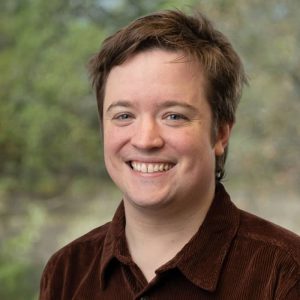
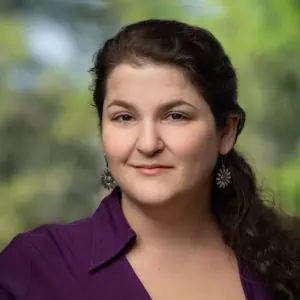
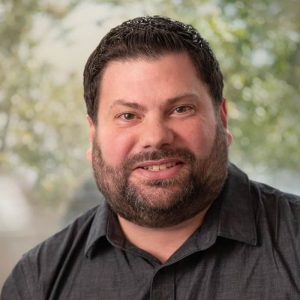
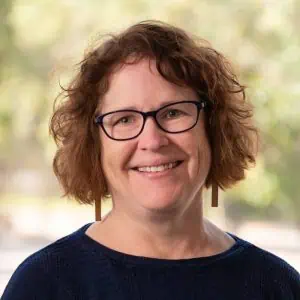
These therapists work with OCD and with the anxiety, depression and stress that often come with it. Browse their profiles, or let our client care team suggest a few who fit.

William Schroeder, LPC, NCC
Ariana Freshour, LPC
David Jenkins, LCSW
David Jenkins, LCSW
Keith Cantrell, LPC Associate
Keith Cantrell, LPC
Sapana Donde, PhD
Sapana Donde, Phd
Caitlin Senger, LPC Associate
Caitlin Senger, LPC, PMH-C
Evan Sadler, LCSW
Evan Sadler, LCSW
Matt Murphy, LMFT
Matt Murphy, LMFT Associate
Supervised by Daniel Brake, LMFT-S
Kari Somera, LPC
Kari Somera, LPC
Loren Lomme, LPC, RPT
Kyoko Kamishima
Kyoko Kamishima, LCSW
Alisar Eido, LCSW
Alisar Eido, LCSW
Ron Grace, PsyD
Ron Grace, Psyd
Dorian Rinehart, LCSW
Brett Brightwell, LMFT
Bella Lyon, LMFT Associate
Bella Lyon, LMFT
Jenny-034
Jennifer Shub, PsyD
Julie Osofsky, LPC
Julie Osofsky, LPC

Ready to talk to someone? Book your first session today.

OCD Therapy FAQs

Some do. Several of our therapists use exposure and response prevention (ERP) and have training in it, though they aren’t certified ERP specialists. They often combine it with CBT and ACT. If you need a certified specialist or an intensive program, we’ll say so and help you find one.

Everyone has odd or unwanted thoughts now and then. With OCD, the thoughts cause real distress and lead to rituals, checking, reassurance seeking or avoidance that take up a lot of time or get in the way of daily life. A licensed clinician can help you sort out what is going on.

Yes. Having a thought is not the same as wanting it or acting on it. Therapy helps you relate to intrusive thoughts differently, so they hold less power and take up less of your day.

No. Our therapists don’t prescribe. Medication can help some people with OCD, and many combine it with therapy. With your permission, your therapist can coordinate with your doctor or psychiatrist.

Just Mind is in network with Aetna, Curative, EHN, Harbor Health, Nomi Health and Sana. Self-pay sessions run $145 to $215 depending on the therapist. See rates and insurance for details.