
by Margaret Fiero
Lately we have heard much about work-life balance: balancing the demands of work with those of home, especially when there are many activities and events to juggle. Now imagine trying to keep all those balls in the air while caring for an elderly loved one. This trend is rising, as people are living longer while continuing to have complex health problems. Due to the rising costs of institutional care for seniors, more individuals are caring for their parents at home. As most married couples are dual-earners, that means that many work while care-taking.
Research has found that there are many negative impacts on caregivers. In comparison to non-caregivers, they are less likely to practice healthy behaviors and are more vulnerable to anticipatory grief over the expected loss of a parent. They can also struggle with ambiguous loss over their role prior to care-giving, and they may feel captive in their new role. They may experience increased anger and anxiety, as well as decreased well-being. Other stressors include financial strain, absenteeism from work, and difficulty finding the time, energy, and resources to deal with all of their responsibilities. Another issue is gender inequity – more women than men end up leaving work to do the majority of the care-giving.
As caregiving puts so much pressure on those who assume the responsibility, and it’s becoming more common, we as a society have to begin taking better care of our caretakers. While it is ideal to avoid sending the elderly to nursing homes if possible, better systemic supports need to be put in place for caregivers. The U.S. needs to catch up to other first-world countries, many of which provide family leave time, among other services, for these individuals. In part due to our preference for independent living, caregiving isn’t seen to be as valuable in this society as it is in other cultures. We can only take steps toward improving the lives of caregivers and their families by working to normalize multi-generational care.
Until we see big systemic changes, though, there are steps that caregivers and their families can take to improve their functioning. It has been found that the strongest indicator of success for these families is the relationship between the parent and the caregiver. Family therapy, therefore, is encouraged for those undertaking the task of caring for an elder. Therapy can help all family members address their shifting roles and resulting losses. The bigger the support network for the caregiver, the less likely it is that the brunt of the work will fall on one person’s shoulders. Extended family should be tapped for support. Emotional support is important as well – if the caregiver can’t find it within their family, they should look to support groups. Within the family, it is crucial to create a care-taking plan to organize and prioritize tasks.
Though care-giving causes stress, it has positive aspects. In some other cultures, elder care is seen as less of a chore and more of an honor. It can be a time for the caregiver – and their children – to connect with the elder, who may in turn provide emotional support and wisdom to the younger generation. The experience can even enhance the caregivers’ personal growth by encouraging them to examine the direction of their own lives. If you are a caregiver or someone you know is and are struggling, you can contact us to make a counseling appointment. If you liked this post, you can also read Caregiver Burnout and The Theory of Everything and When Caretaking Becomes and Unhealthy Equilibrium.
Brought to you by Just Mind, counselors in Austin who are working to provide their clients with the best care possible.
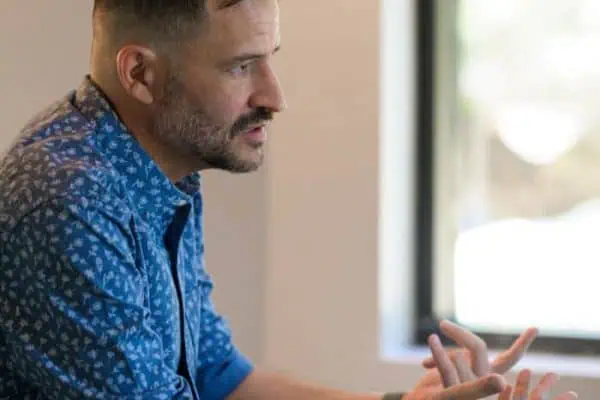
Photo by Jack Finnigan on Unsplash