
By Shannon Haragan, MA, MFA, LPC-S and clinically reviewed by Teri Schroeder, LCSW
Pixar’s Inside Out isn’t just a children’s movie. It’s a brilliant tool for emotional education and mental health conversations.
Loosely inspired by the Internal Family Systems (IFS) model developed by Dr. Richard Schwartz, the movie brings to life the complex interplay of our emotions, showing kids and adults alike that every feeling, even the uncomfortable ones, has a role to play.
Why Inside Out Is A Powerful Tool For Emotional Awareness
As therapists, we see Inside Out as both an emotional Rorschach test and a powerful tool to spark conversations around mental health, memory, identity, and resilience.
Here’s what we learned from the film, and how you can use it to start meaningful conversations with the young people in your life.
Sadness Is Essential For Healing
In our happiness-obsessed culture, sadness often gets a bad rap. But in Inside Out, we see that Sadness is the key to Riley’s healing. It’s only when Sadness takes the lead that Riley is able to reconnect with her parents and express how overwhelmed she feels. As one therapist put it, “Sadness can be a bridge that will always take us to a new, better place, if we’re willing to sit with it.”
Sadness invites connection. It helps us signal to others that we need help and allows us to process important changes or losses.
Emotions Work Together, Not Alone
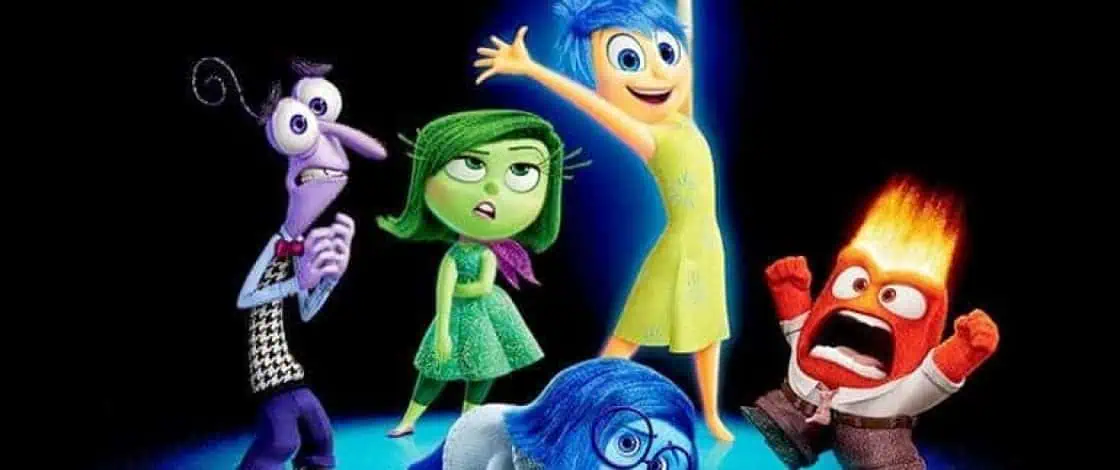
At the start of the movie, Joy wants to be in control. But Riley’s emotional health starts to suffer when her emotions become imbalanced. The film helps us understand that mental well-being isn’t about being happy all the time. It’s about letting all emotions do their job.
This is a great entry point for conversations with teens about meta-cognition, thinking about thinking, and how it’s okay to experience multiple emotions at once.
Use this concept when helping kids name multiple feelings at once, like feeling both nervous and excited.
Memories Are Shaped By Emotions
One of Inside Out’s most visually impactful ideas is that our memories change depending on how we feel. A memory that was once joyful can become tinged with sadness and that’s okay.
This mirrors what we see in therapy: how our perspective on past events shifts as we process emotions.
Personality Islands: Exploring Core Identity
The Personality Islands in Riley’s mind represent her sense of self: family, friendship, honesty, goofiness. When major life changes threaten these islands, she feels unstable. But by the end, her personality becomes more nuanced and resilient.
Try this with kids: Ask them to name or draw their own “personality islands.” It’s a creative way to talk about values, interests, and identity.
Emotions Like Anger And Fear Have A Purpose
Rather than villainizing “negative” emotions, Inside Out helps us see their value. Anger, fear, and disgust keep Riley safe and assertive. Teaching children to recognize the purpose of these feelings can improve emotional literacy and reduce shame.
Inside Out Is An Empathy Machine
Film critic Roger Ebert once called movies “the most powerful empathy machine in all the arts.” Inside Out fully embraces this idea. As we follow Riley’s journey, it invites viewers to reflect on their own emotional lives, remembering long-forgotten moments, reassessing old memories, or grieving transitions we didn’t know we still carried.
It’s a rare film that feels both universal and deeply personal, which may be why it resonates so strongly with both children and adults.
Could Inside Out Inspire Future Therapists or Neuroscientists?
From the Dream Productions studio to the Abstract Thought Chamber, Inside Out’s imaginative world makes the invisible visible. For some kids, it may be their first time thinking about how their brain works, or even discovering an interest in psychology or neuroscience.
Don’t be surprised if this movie sparks new passions or even future careers.
Video: What People Can Learn About Divorce From Inside Out
Discussion Starters to Use After Watching Inside Out
The movie is a fantastic conversation starter for families, classrooms, or therapy sessions. Here are some examples you can use:
|
Theme |
Topic Summary |
Questions to Ask |
|
Important Memories |
Riley’s “core memories” shape her personality. Use this to explore your child’s meaningful memories. |
• What’s one favorite memory you have of being with us? • When have you felt like we were a tight family? • What’s your “hockey moment,” when were you proudest of yourself? |
|
Emotions |
Riley is guided by five emotions: Joy, Sadness, Anger, Fear, and Disgust. The film shows how they react to challenges differently. |
• Which emotion do you relate to most when facing new challenges? • Were there any emotions missing? (e.g., Surprise) • Was it fair that Sadness got blamed? • What do you think sadness is good for? • Are there any feelings that aren’t okay to have “in charge”? |
|
Personality |
Riley’s personality is built on “islands” like Family and Honesty. |
• If you had your own personality islands, what would they be? |
|
Loss & Grief |
Riley experiences emotional and social loss during her move, and we see grief when Bing Bong fades away. |
• Which part of Riley’s story do you most relate to? • What do you do when you feel emotions you don’t think are okay to share? |
|
Anger |
Anger plays a big role, sometimes for protection or fairness. |
• What lessons have you learned from anger? • Have you seen examples where anger helped someone? • How do you manage your anger when it starts to build? • Do you know your triggers? What helps you cope with them? |
Every emotion has a role, even the ones we avoid. If that idea resonated, IFS therapy might too. Learn more about how it works.
Ways to Use Inside Out in Therapy or at Home
Looking to bring Inside Out into your own emotional education toolkit? Here are a few ways to get started:
- 🧠 Draw a control panel and let kids assign emotions to buttons and sliders.
- 🎨 Make a map of personality islands to explore identity and values.
- 📘 Create a memory journal with colored emotions for each entry.
- 🎭 Role-play scenes where emotions switch roles or team up.
Why This Movie Resonates With Therapists
Inside Out aligns beautifully with the therapeutic process. It invites people to reflect on:
- How emotions influence behavior
- How memory is subjective and emotional
- How we can develop a healthier relationship with all of our feelings
Whether you’re a parent, caregiver, teacher, or therapist, this movie can be an incredible resource for helping young people (and yourself) make sense of complex feelings.
If you want to dive deeper into emotional education or need support navigating big feelings, our team at Just Mind is here to help.
Want to use Inside Out as more than just a movie night? We offer counseling for kids, teens, and parents rooted in emotional understanding and Internal Family Systems.
Book a session for your family → Connect with us